2026 Mass Save rebate guide
Massachusetts Air-to-Water Heat Pump Rebates
Mass Save publishes a standard $2,650-per-ton air-to-water heat pump rebate up to $8,500, plus income-based incentives with potential savings up to $16,000 for qualifying households.
Estimated Massachusetts rebates by APOLLO model
Standard estimates apply the published $2,650-per-ton formula to reviewed reference capacities and then apply the $8,500 cap. Income-based amounts cannot be calculated from tonnage alone.
| APOLLO model | Program capacity | Standard estimated rebate | Potential income-based incentive | Published program cap |
|---|---|---|---|---|
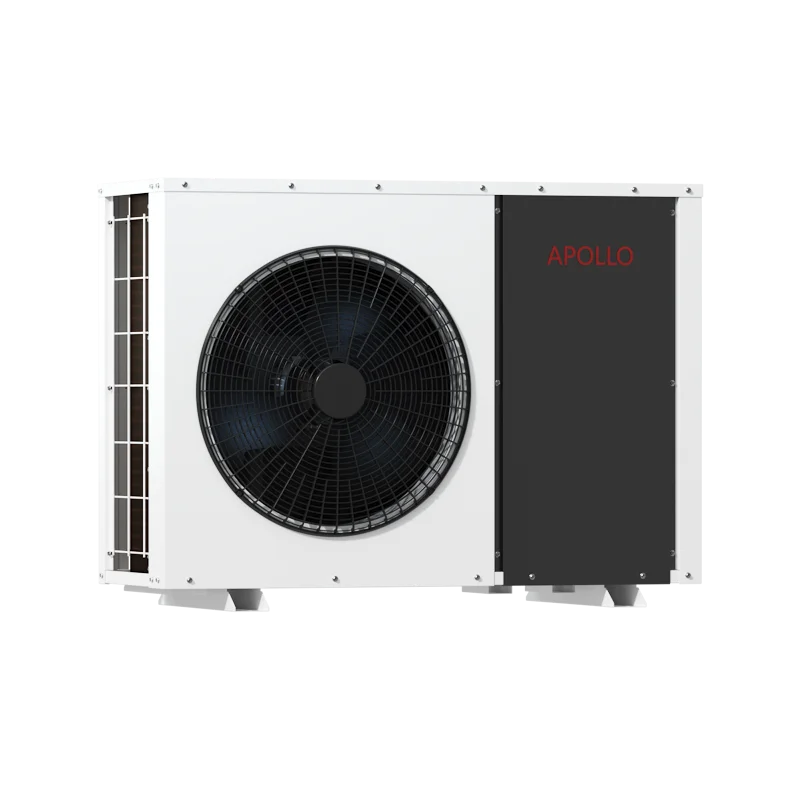
| APOLLO 3.5 Ton / 42K BTUAP-EVI-DC-3.5T | 2.00 reference tons | $5,300 estimated rebate | Up to $16,000 potential income-based incentive | $8,500 standard; up to $16,000 income-based |
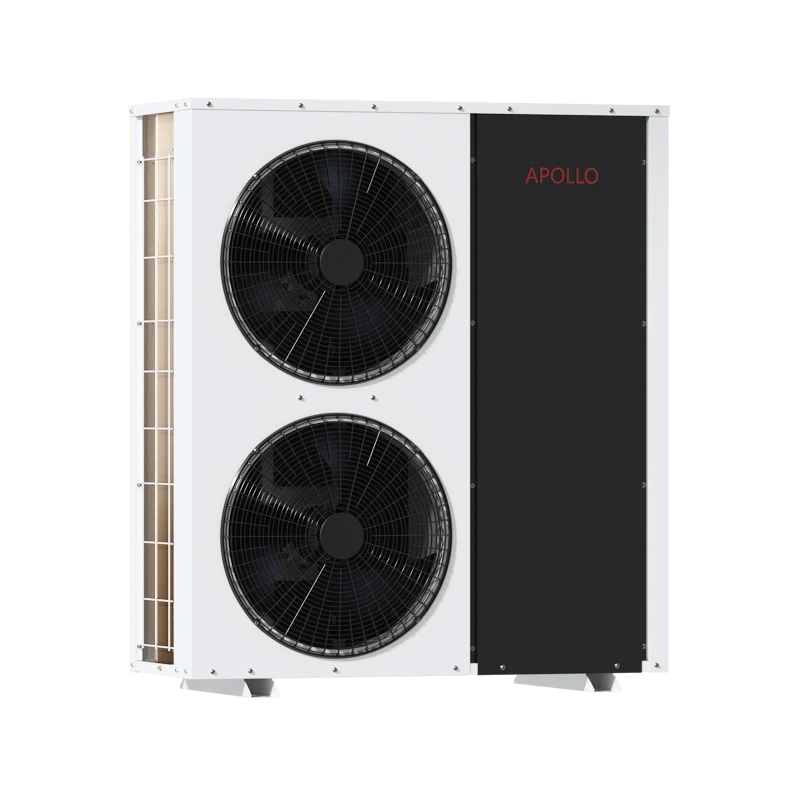
| APOLLO 6 Ton / 72K BTUAP-EVI-DC-6T | 5.54 reference tons | $8,500 estimated rebate after cap | Up to $16,000 potential income-based incentive | $8,500 standard; up to $16,000 income-based |
Confirm each APOLLO model and capacity on the current Mass Save HPQPL before purchase. The reviewed reference capacities are 2.00 and 5.54 tons for the listed standard models; exact Mass Save list status remains controlling. The APOLLO 5 Ton (AP-EVI-DC-5T) is no longer sold; new projects use the 6 Ton (AP-EVI-DC-6T).
Download the Massachusetts rebate guide
A printable 3-page summary of the Mass Save standard and income-based air-to-water rebate paths, with APOLLO model estimates and eligibility steps.
Use the program capacity, not the commercial model name
Per-ton programs use capacity recorded on the applicable qualified-products list. The APOLLO 3.5 and 6 Ton commercial names do not necessarily equal the program tonnage. These estimates use the current reviewed regional values and must be rechecked against the live Mass Save HPQPL.
Compare standard and income-based Mass Save paths
The correct path depends on household income, existing heating fuel, installed cost, sponsor and whole-home project conditions.
Standard Mass Save offer
$2,650 per ton, up to $8,500
The model must be on the current Mass Save Heat Pump Qualified Product List and the project must satisfy the residential air-to-water requirements.
The rebate cannot exceed total installation cost and cannot be combined with other Mass Save incentives for the same equipment.
Income-based pathway
Up to $16,000 potential incentive
Enhanced incentives are available to income-qualified households and depend on qualifying pre-existing fuel and installed cost.
The published page states that eligible customers can receive 80% of installed cost, up to the program maximum. Cape Light Compact amounts can differ.
Whole-home project conditions
Weatherization and verification required
Whole-home projects require sufficient weatherization and a completed Whole-Home Heat Pump Verification Form.
The residence must be occupied full time during the winter heating season.
Eligibility checklist
- The home has an eligible Mass Save electric or natural-gas sponsor account for the displaced heating fuel.
- The residence is occupied full time during the winter heating season.
- New equipment is installed in 2026 by a contractor participating in the Mass Save Heat Pump Installer Network.
- The complete equipment model is on the current Mass Save HPQPL at the time the project proceeds.
- The heat pump displaces oil, propane, natural gas or electric baseboard resistance as the primary heating system.
- Whole-home projects satisfy the weatherization requirement and complete the required verification form.
How to apply
Confirm sponsor and project eligibility
Use the official eligibility tab or pre-verification process before signing a final proposal.
Complete the weatherization review
Determine whether the home meets the Mass Save weatherization requirement before whole-home installation.
Hire a participating HPIN contractor
The contractor should confirm the equipment, displaced system, design and applicable standard or income-based path.
Verify the exact model on the HPQPL
Check the complete outdoor-unit or system record on the current list, not only the APOLLO product family name.
Install and complete verification documents
Keep the final paid invoice and complete the Whole-Home Heat Pump Verification Form when applicable.
Submit the rebate application
Submit online or by mail with required documentation by the current program deadline.
The current Mass Save HPQPL controls eligibility
Do not rely on an APOLLO family name, an older spreadsheet or the commercial tonnage alone. Confirm the complete model on the current Mass Save Heat Pump Qualified Product List with a participating contractor before purchasing equipment or beginning installation.
Answers
Frequently asked questions
How is the standard Massachusetts estimate calculated?
The table multiplies $2,650 by the reviewed reference capacity and applies the $8,500 standard cap. The 5.54 ton example reaches that cap.
Is the $16,000 income-based amount automatic?
No. It is a potential maximum. Income qualification, pre-existing fuel, sponsor rules and installed cost determine the final enhanced incentive.
Can I use any HVAC contractor?
No. The 2026 Mass Save air-to-water offer requires installation by a contractor participating in the Mass Save Heat Pump Installer Network.
Does the existing heating system have to be removed or displaced?
The published program requires eligible new equipment to displace oil, propane, natural gas or electric baseboard resistance as the primary heating system. Confirm the exact project pathway with the participating contractor.
Will the standard rebate cover the full installed cost?
No. The published standard rebate is limited by program tonnage and the $8,500 project cap. The final approved amount can also depend on project documentation and current program rules.