MBtek

COMMERCIAL AIR-TO-WATER HYDRONIC SYSTEMS

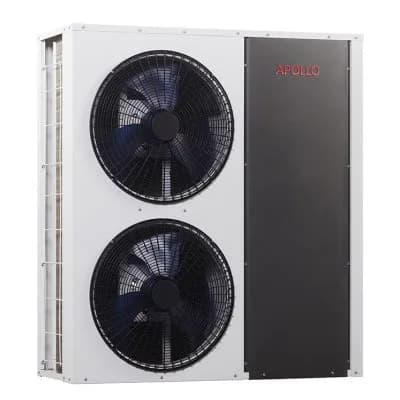
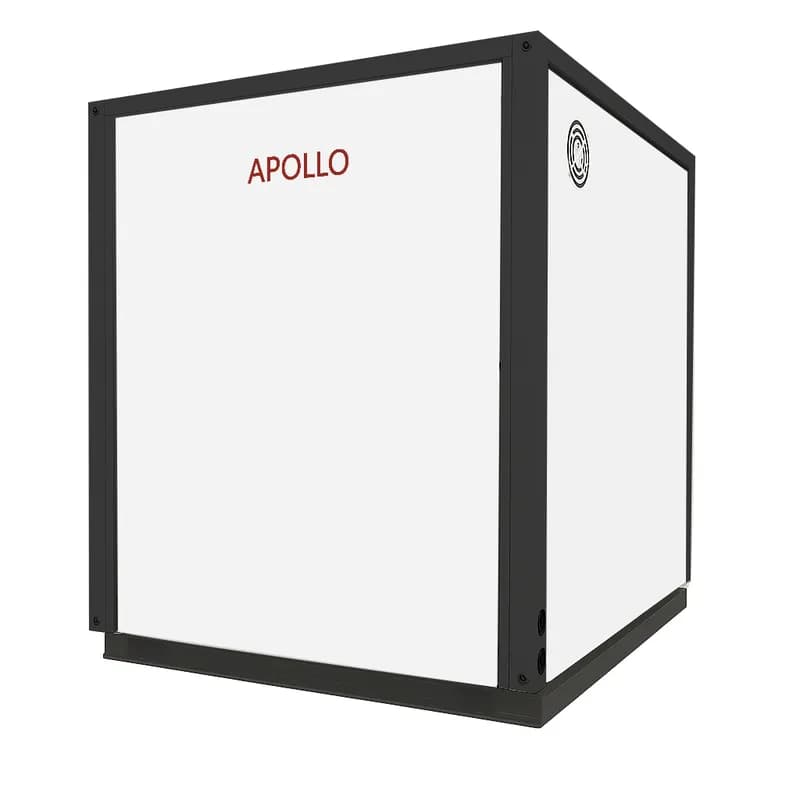
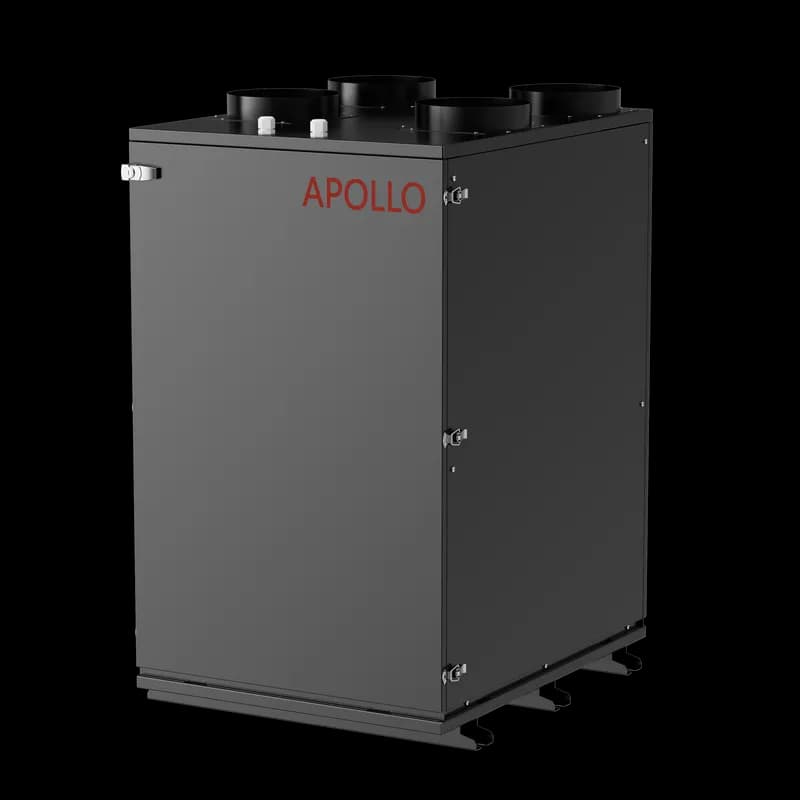
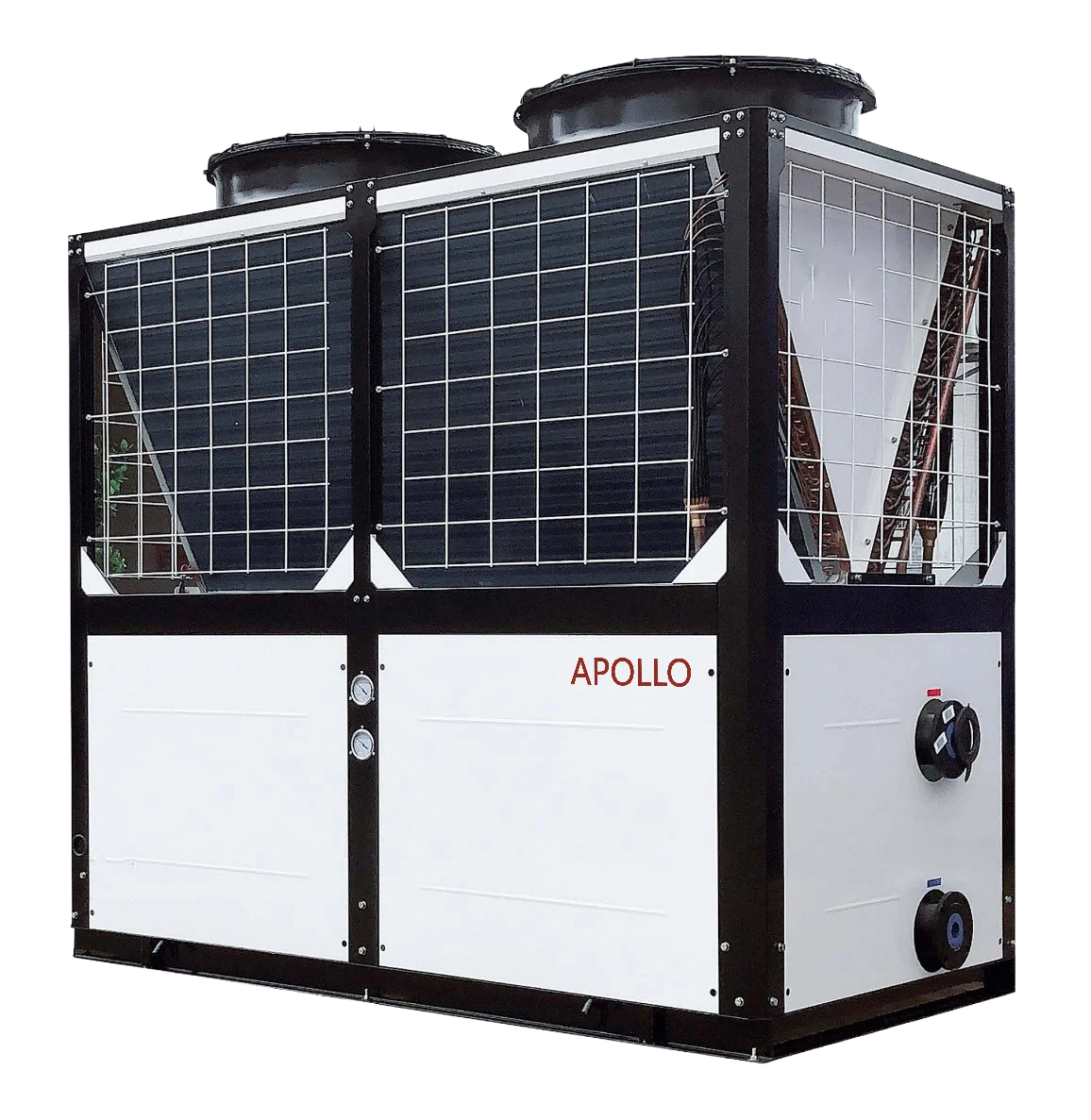
Commercial Air-to-Water Heat Pumps

MBTEK's commercial heat pump systems use air-to-water technology to deliver hydronic heating, cooling, and domestic hot water for mid- and large-scale commercial projects — from 208V/3-phase buildings to 50-200 ton hotels, hospitals, and industrial facilities.

Air-to-water systems | Mid- & large-scale commercial projects | Complete hydronic packages

Models and sizes

Compare Commercial Heat Pump Models

MBTEK's commercial air-to-water heat pumps span two platforms: a 6-ton 208V/3-phase series and a 50–200 ton large-project line. Compare tonnage and pricing below.

Large-project systems (100–200 ton) are typically confirmed with MBTEK's team for electrical service and installation layout before ordering.

One System Instead of Three

Commercial buildings — offices, multi-family properties, hotels, hospitals, and light industrial facilities — traditionally run separate equipment for heating, cooling, and hot water. A commercial air-to-water heat pump (also called a commercial air source heat pump) replaces all three with one hydronic platform.

Traditional Approach

A gas or oil boiler for heating, a separate chiller for cooling, and a standalone water heater for domestic hot water — three pieces of equipment, three maintenance schedules, and three points of failure.

MBTEK's Commercial Heat Pump

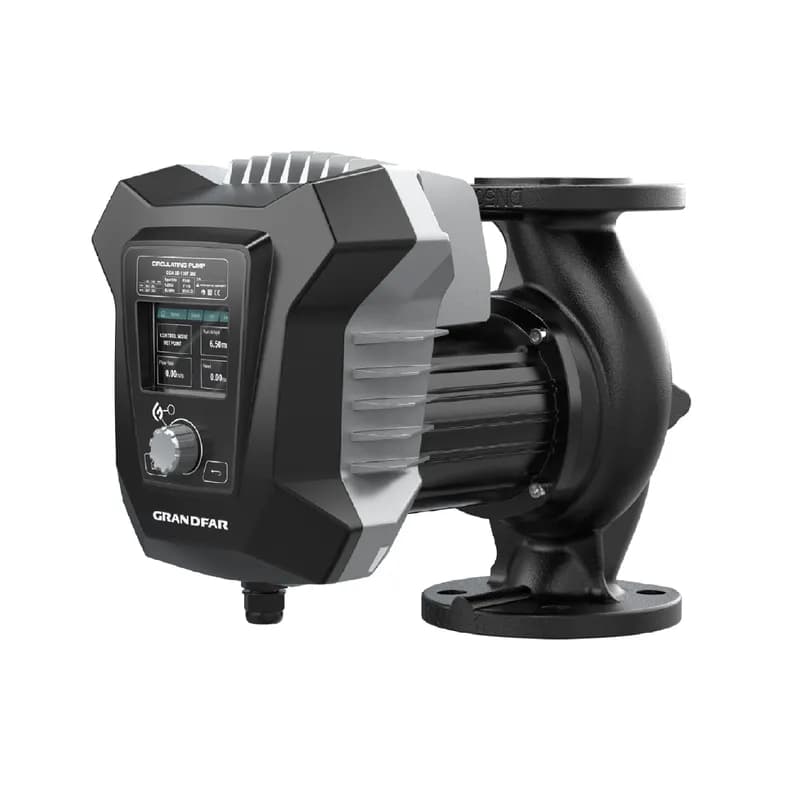
One air-to-water platform delivers space heating, cooling, and domestic hot water from a single hydronic system, using Enhanced Vapor Injection (EVI) and DC inverter compressor technology rated down to -31°F.

Benefits of a Commercial Heat Pump

Commercial heat pumps move heat instead of burning fuel, which is why more building owners are switching from boilers and chillers to one electric hydronic system.

  • Higher efficiency than combustion heating

    Moving heat instead of burning fuel delivers more usable heat per dollar of energy input than a gas or oil boiler.

  • One system for heating, cooling, and hot water

    A single commercial heat pump replaces separate boilers, chillers, and water heaters with one hydronic platform.

  • Reliable in cold climates

    EVI and DC inverter compressor technology keep MBTEK's commercial heat pumps operating down to -31°F outdoor air temperature.

  • Lower on-site emissions

    Electric operation with no on-site combustion reduces a building's direct emissions compared to gas or oil heating.

Not Sure Which Commercial Heat Pump Fits Your Project?

Commercial projects vary widely in scale and electrical service. Use this as a starting point, then confirm with MBTEK before you buy.

  • Light commercial (offices, small workshops)

    The standard residential APOLLO / APOLLO MAX lineup already covers this — just size enough units to cover the space the way you would a home.

  • Mid-commercial with 3-phase power

    The APOLLO Commercial Series (6 ton, 208V / 3-phase) is built for this — the same sizing logic as residential APOLLO on a commercial electrical platform.

  • Multiple heat pumps working as one system

    Coordinate them with a staging controller rather than running each unit independently.

  • Large-scale commercial (hotels, hospitals, industrial facilities)

    50–200 ton systems are engineered per project — contact MBTEK to confirm system sizing and installation requirements before ordering.

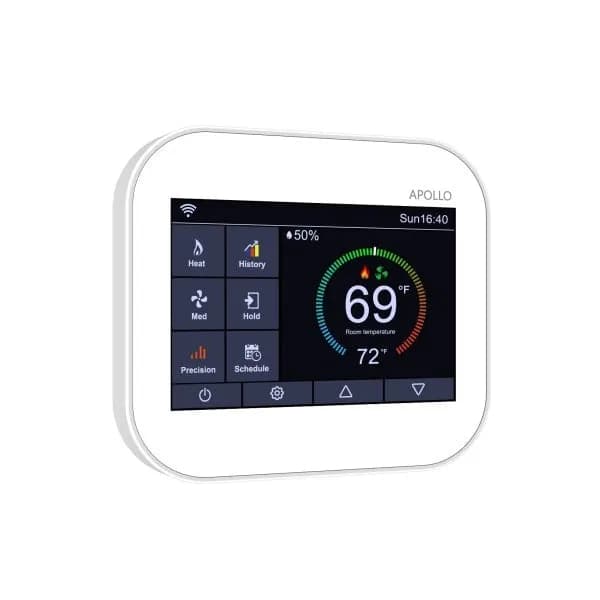
Planning multiple units? See the Tekmar Smart Heat Pump Control 291 for staging control.

System support

Need Help Sizing a Commercial Heat Pump System?

MBTEK can help match the right commercial air-to-water heat pump, electrical platform, and hydronic system layout to your building and project scale.

FAQ

Commercial Heat Pump Questions

Direct answers about MBTEK's commercial air-to-water heat pump systems, project scale, cold-climate performance, and system planning.

What is a commercial air-to-water heat pump?

A commercial air-to-water heat pump — also called a commercial air source heat pump — extracts heat from outdoor air and transfers it to water, delivering commercial-scale space heating, cooling, and domestic hot water through one hydronic system instead of separate boilers, chillers, and water heaters.

What's the difference between MBTEK's mid-commercial and large-commercial heat pump systems?

The APOLLO Commercial Series (6 ton, 208V/3-phase) is sized the same way as residential APOLLO systems for buildings with commercial electrical service. The APOLLO Commercial Air-to-Water Heat Pump covers 50 to 200 ton projects — hotels, hospitals, and industrial facilities — and is engineered and sized per project with MBTEK's team rather than self-selected.

Does MBTEK's commercial heat pump work in cold climates?

Yes. Both commercial platforms use Enhanced Vapor Injection (EVI) and DC inverter compressor technology rated for low-ambient operation down to -31°F outdoor air temperature.

Can a commercial heat pump provide domestic hot water?

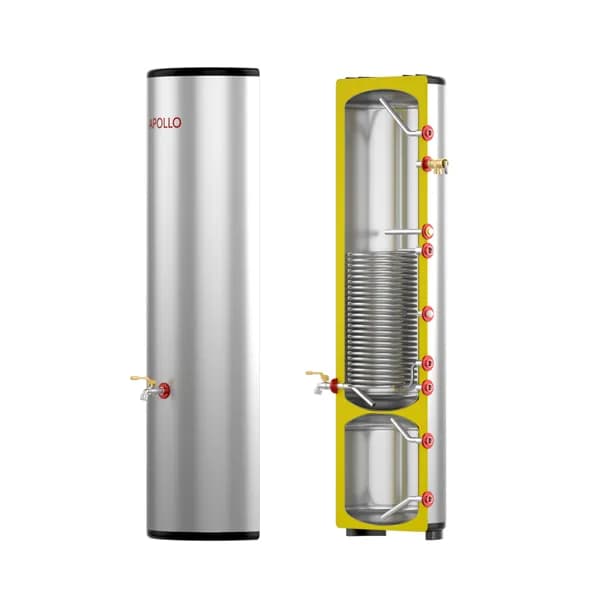
Yes. MBTEK's commercial air-to-water heat pumps function as a commercial heat pump water heater when paired with the right tank, delivering domestic hot water alongside space heating and cooling from one hydronic system.

What size commercial heat pump do I need?

It depends on your building load and electrical service. Buildings with 208V/3-phase power at the 6 ton scale fit the APOLLO Commercial Series; larger buildings such as hotels, hospitals, and industrial facilities in the 50 to 200 ton range need the APOLLO Commercial Air-to-Water Heat Pump, sized with MBTEK's project team.

How does commercial heat pump installation work?

Installing a commercial heat pump starts with confirming the building's heating and cooling load, available electrical service (such as 208V/3-phase), and hydronic system design, followed by professional installation and commissioning by a licensed HVAC contractor. MBTEK supplies the equipment and helps confirm system sizing and layout during planning — contact MBTEK's team early in a commercial project.

Can multiple commercial heat pumps be coordinated as one system?

Yes. The Tekmar Smart Heat Pump Control 291 stages up to 4 heat pumps as one coordinated system, expandable to 16 units with add-on modules — useful when a project needs more capacity than a single heat pump provides.