Expansion tank
An expansion tank absorbs thermal expansion and helps control pressure in a closed hydronic loop. It is a pressure-management component.
HYDRONIC PRESSURE CONTROL, BUILT TO LAST
Expansion tanks for hydronic heating, hot water, boiler, and heat pump systems. Designed to help absorb thermal expansion, stabilize system pressure, and protect system components.
Boiler systems | Heat pumps | Pressure control
A hydronic expansion tank absorbs the extra water volume created when fluid heats up inside a closed heating or cooling loop. By giving that expanded fluid a controlled place to go, the tank helps stabilize system pressure and protect pumps, valves, heat exchangers, boilers, heat pumps, and other hydronic components.
In MBTEK systems, expansion tanks are part of the pressure-control side of the mechanical room. They do not add thermal mass like a buffer tank; their job is to manage expansion, pressure swing, and component stress in closed-loop hydronic equipment.
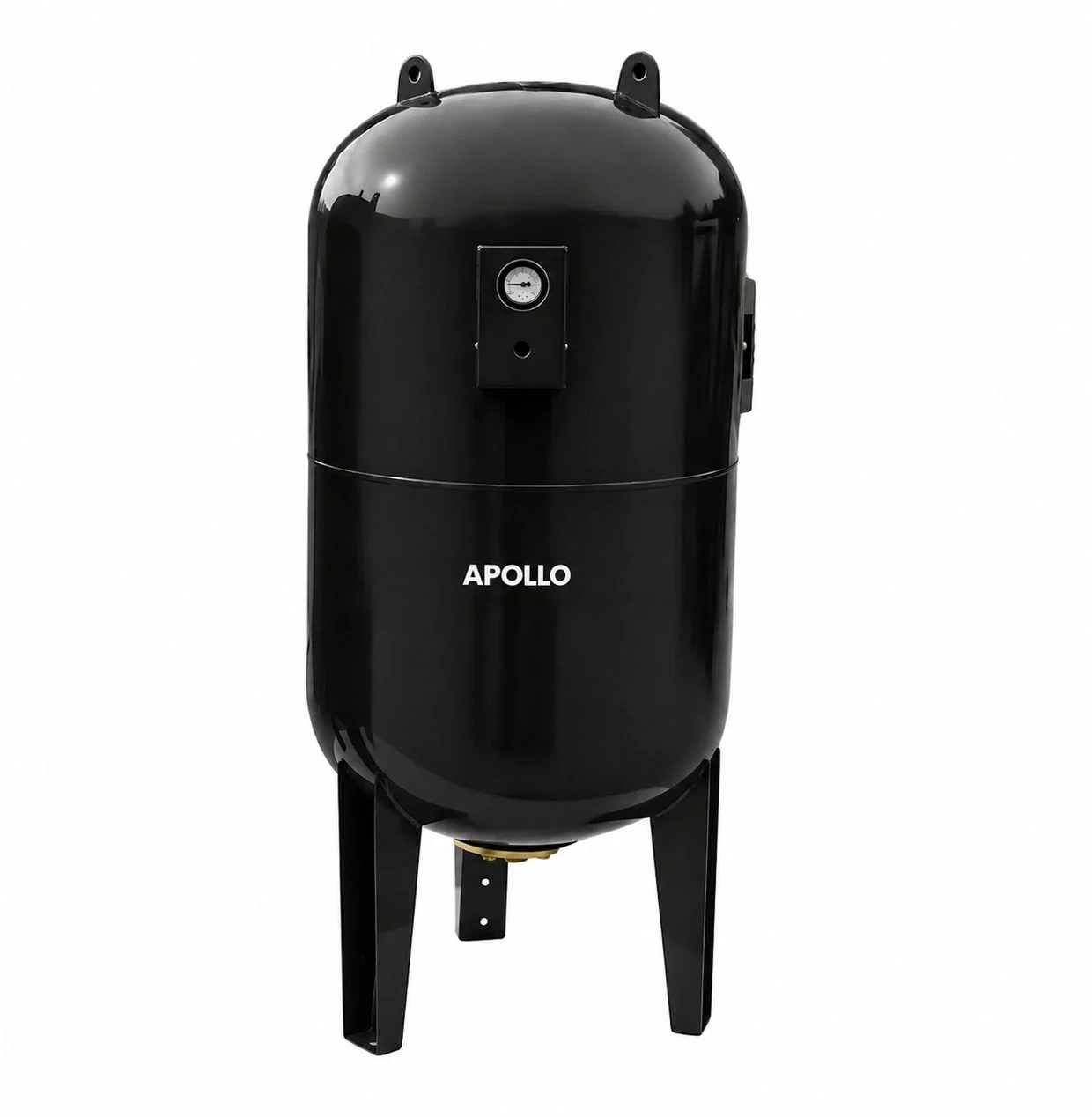
APOLLO expansion tanks are built for hydronic heating and cooling systems using boilers, air-to-water heat pumps, radiant floors, fan coils, chilled water loops, pumps, control valves, and mechanical-room packages.
Use this collection when the project needs a bladder expansion tank for closed-loop pressure control. Tank choice should be confirmed with the system water volume, fill pressure, temperature range, relief-valve rating, glycol content, and installation layout.
Start with the system scale and pressure-control requirement, then confirm sizing and installation details with the project designer or contractor.
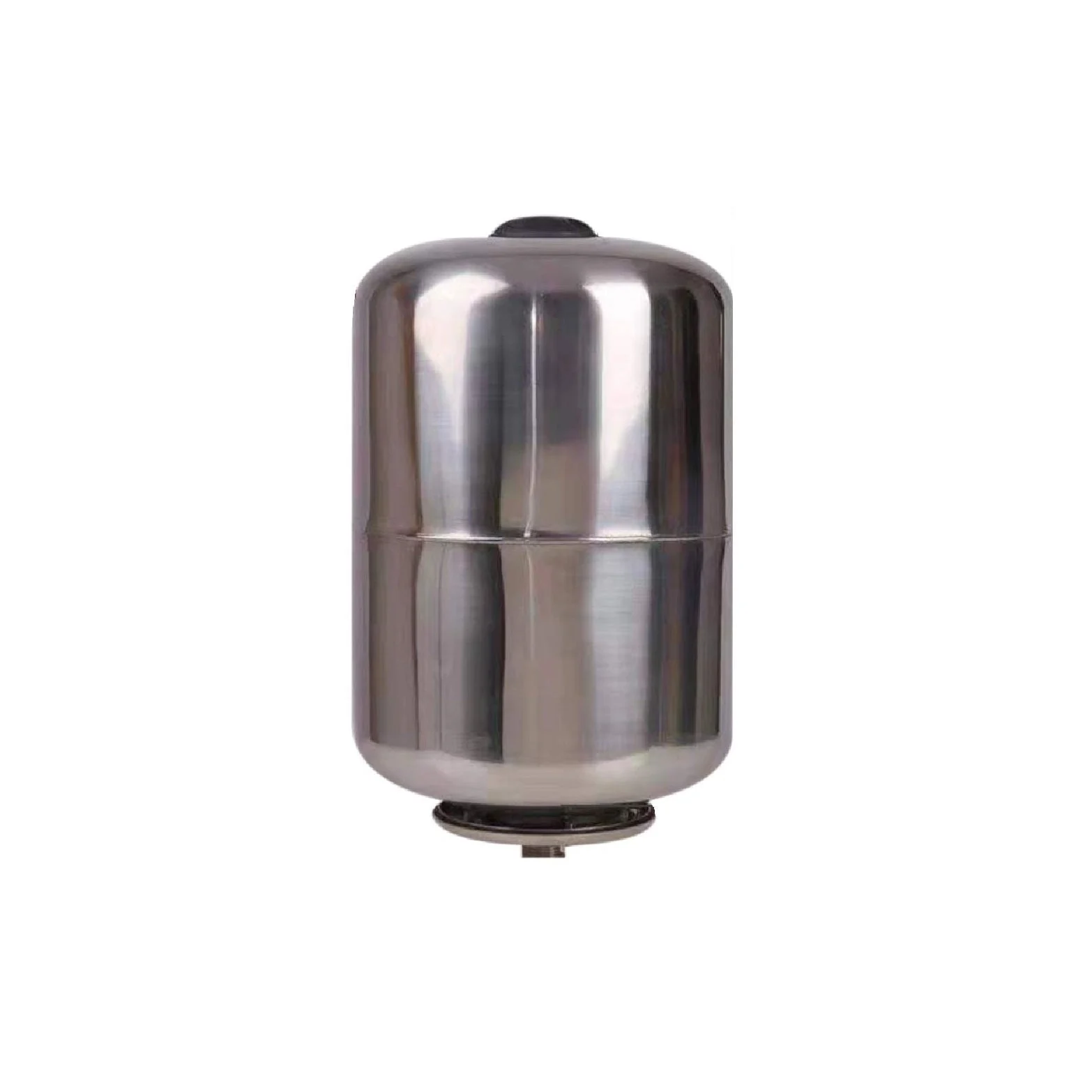
6.5 and 9.5 gallon SS316 hydronic expansion tank with 150 PSI rating, 15 PSI pre-charge, 3/4" NPT connection, replaceable EPDM bladder, wall support, and clamps.
View productCommercial bladder expansion tank for larger heating and cooling hydronic systems, with SS316 body construction, replaceable EPDM bladder, and standard NPT connections.
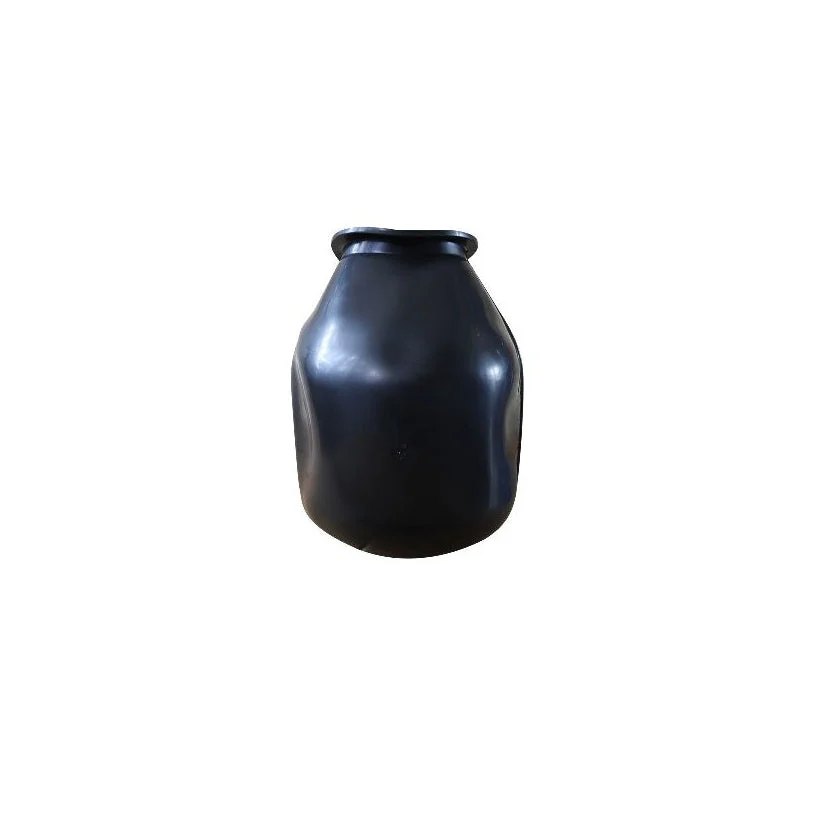
View productSome APOLLO expansion tanks use a replaceable EPDM bladder. That serviceable design can help maintain the tank without replacing the entire assembly when the bladder is the component that needs attention.
For the APOLLO EX65 tank, the replacement expansion bladder is a maintenance part. It should be selected only after confirming compatibility with the installed tank model.
An expansion tank absorbs thermal expansion and helps control pressure in a closed hydronic loop. It is a pressure-management component.
A buffer tank adds water volume and thermal mass to reduce cycling and stabilize heating or cooling output. It does not replace pressure expansion capacity.
Expansion tank pre-charge should be matched to the system fill pressure before the tank is connected and pressurized. The APOLLO stainless expansion tank product specs list a 15 PSI pre-charge, but final setup depends on the project design and the building static pressure.
Placement is usually planned near the system pressure reference point, often on the cooler return side near the circulator and air-removal components. Always follow the hydronic design, local code, and the product manual for the specific installation.
Hydronic expansion tank sizing depends on the complete closed-loop system. Avoid choosing from a generic chart alone; the right tank is based on the system's fluid volume and pressure range.
Account for boilers, heat pumps, chillers, piping, manifolds, radiant loops, fan coils, and any tanks in the hydronic loop.
Higher fluid temperature change creates more expansion volume, so heating and cooling applications should be checked separately.
Match fill pressure, pre-charge, maximum operating pressure, and relief-valve setting to the mechanical design.
Glycol concentration changes expansion behavior and should be included in the sizing review.
Expansion tank maintenance is part of routine hydronic system care. A qualified contractor should inspect the tank when pressure swings, relief-valve discharge, visible moisture, unusual air problems, or bladder failure symptoms appear.
Check pre-charge only when the tank is properly isolated and depressurized according to the manual.
A failed bladder can cause unstable pressure or a waterlogged tank condition and should be evaluated before replacement parts are ordered.
Inspect the connection, mounting hardware, nearby valves, and visible tank surface during routine system checks.
Relief-valve discharge, trapped air, or repeated pressure changes can indicate sizing, setup, or component problems elsewhere in the system.
Hydronic Expansion Tank FAQ
Direct answers about hydronic expansion tanks, pressure control, pre-charge, sizing, placement, bladder designs, buffer tanks, and maintenance.
A hydronic expansion tank is a pressure-control tank for closed-loop heating or cooling systems. It absorbs the extra water volume created as system fluid heats up, helping stabilize pressure and protect hydronic components.
A hydronic expansion tank gives expanding fluid a controlled place to go. This helps prevent pressure spikes, relief-valve discharge, pump stress, valve stress, and unstable operation in boilers, heat pumps, chilled water loops, and radiant systems.
A bladder expansion tank separates system fluid from a pre-charged air chamber. As water expands, it pushes against the bladder and compresses the air side, absorbing the volume change while reducing pressure rise.
The APOLLO stainless expansion tank product specs list a 15 PSI pre-charge. The correct installed pre-charge should match the hydronic system fill pressure and building requirements, so it should be checked before the tank is connected and pressurized.
Size a hydronic expansion tank from total system fluid volume, temperature range, fill pressure, relief-valve setting, glycol content, and the boiler, heat pump, or chiller design. A contractor should confirm sizing for the full closed-loop system.
Expansion tank placement is usually planned near the system pressure reference point, often on the cooler return side near the circulator and air-removal components. The final location should follow the mechanical design, local code, and product manual.
An expansion tank manages pressure caused by thermal expansion. A buffer tank adds water volume and thermal mass to reduce cycling and stabilize heating or cooling output. Hydronic systems may need one or both, but they are not interchangeable.
Maintenance includes checking pre-charge when the tank is isolated and depressurized, inspecting the bladder condition, checking the connection and mounting, and investigating relief-valve discharge, leaks, corrosion, trapped air, or repeated pressure swings.