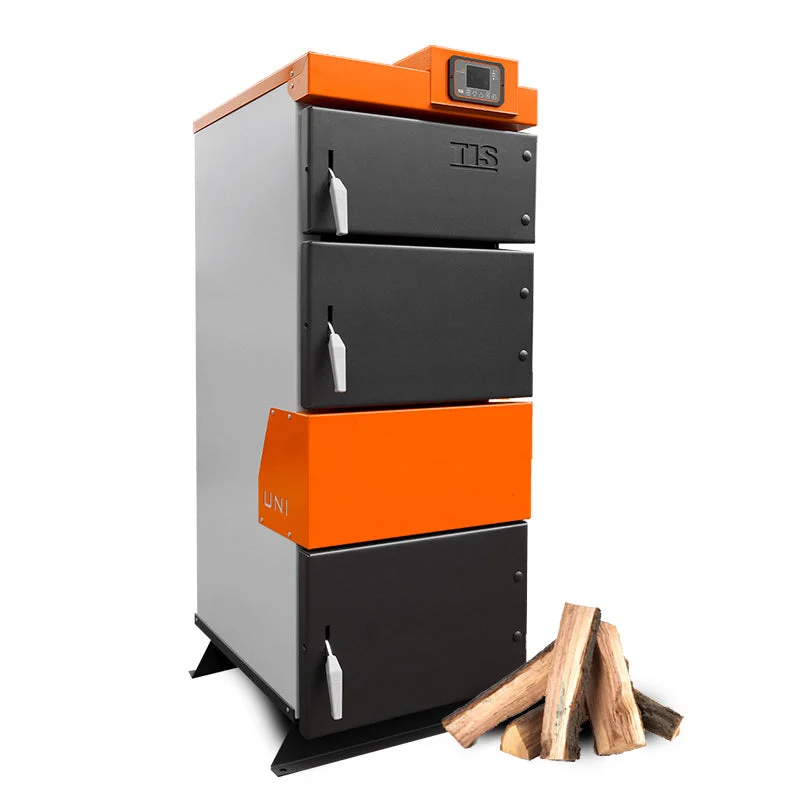
 Top seller
CORDWOOD GASIFICATION
UNI Wood Boiler
Efficient gasification heat for homes, workshops, estates, and larger hydronic projects.
2,500–8,000 sq ftWood gasification
View UNI 60WOOD, PELLET & WOOD CHIP HEATING
Compare wood, pellet, and wood chip biomass boilers for homes, farms, commercial buildings, and industrial hydronic heating systems.
Wood | Pellet | Wood chip | Residential to industrial
Customer favorites
Start with MBTEK's four most popular wood and pellet boiler families. Each card leads to the complete family collection, where you can compare individual models, live prices, and approximate coverage.
Top sellerCORDWOOD GASIFICATION
Efficient gasification heat for homes, workshops, estates, and larger hydronic projects.
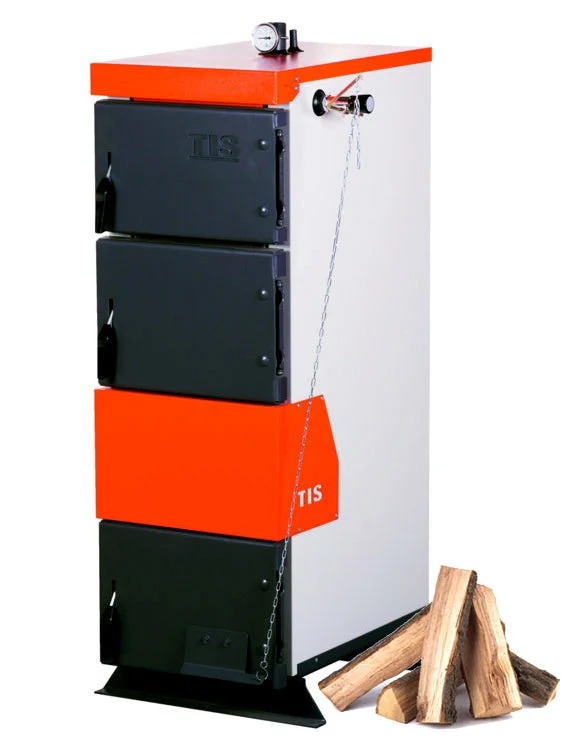 Top seller
SIMPLE OFF-GRID HEAT
A durable manual-feed boiler for cabins, smaller homes, shops, and off-grid systems.
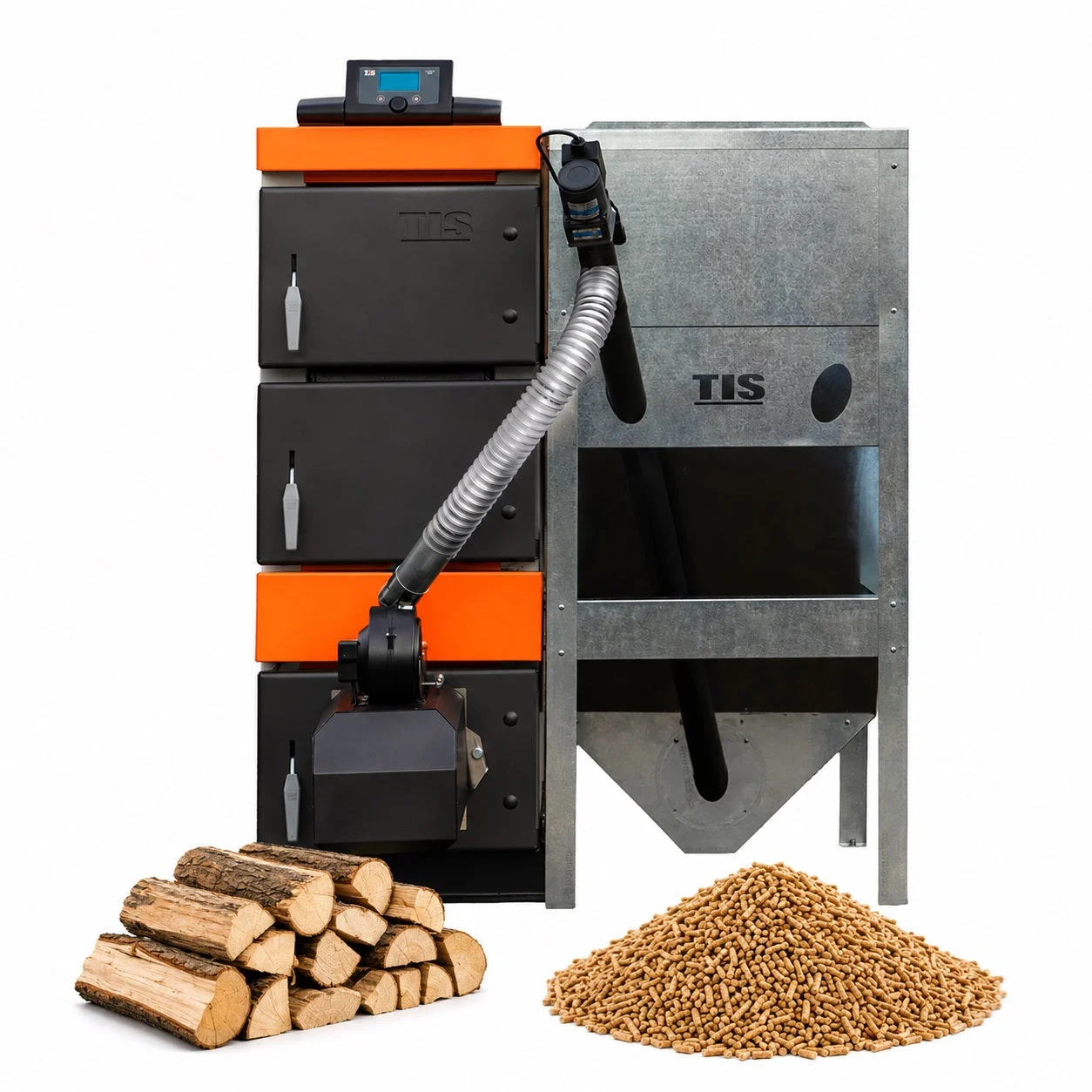 Top seller
AUTOMATIC MULTI-FUEL
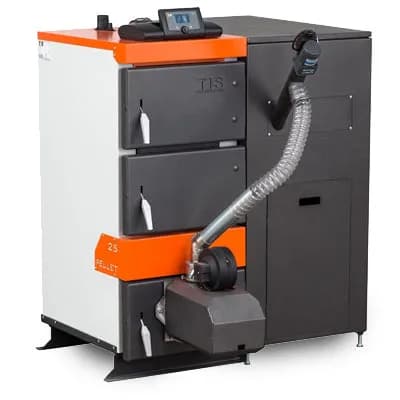
Automatic pellet heat with multi-fuel flexibility for large homes and high-demand systems.
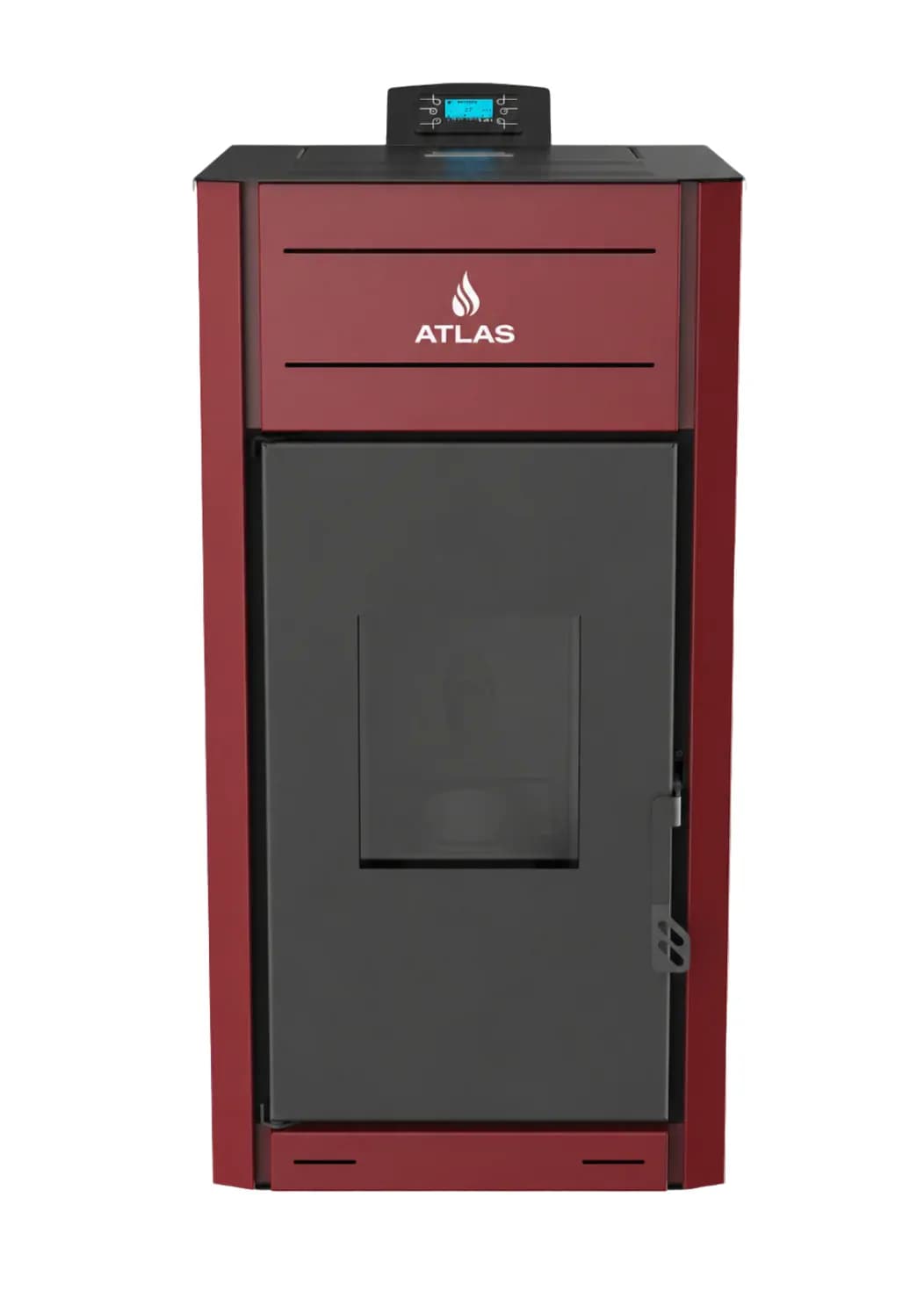
COMPACT RESIDENTIAL
Best-value automatic pellet heat for homes and light-commercial spaces.
Coverage is approximate. Final boiler selection depends on building heat loss, climate, insulation, ceiling height, hydronic distribution, domestic hot water demand, and fuel plan. Contact MBTEK for sizing help.
Use fuel availability and project size to narrow the catalog before comparing individual boiler models.
MANUAL CORDWOOD
Compare UNI, PRO, TITAN Lambda, and UNI Industrial wood boiler platforms for indoor hydronic heating.
Browse wood boilersAUTOMATIC FUEL FEED
Compare PELLET DUO, ATLAS, OLYMPUS, PHOENIX, and industrial pellet boiler systems.
Browse pellet boilersAUTOMATED BULK BIOMASS
Explore BIO DUO systems for large homes, estates, commercial buildings, and industrial facilities.
Browse wood chip boilers500K–3.4M BTU
Compare the largest cordwood, pellet, and wood-chip systems for high-demand heating projects.
Explore industrial systemsBiomass describes renewable organic fuels such as wood, pellets, and wood chips. If coal or broader multi-fuel capability is central to your project, compare EKO DUO Hybrid Coal Boilers separately.
The best biomass boiler is usually determined by the fuel you can source, store, and handle reliably for the life of the system.
Best when you have dependable access to dry firewood and accept manual loading in exchange for fuel independence. Cordwood gasification boilers pair especially well with planned thermal storage.
Best when automatic feeding, consistent fuel quality, and easier day-to-day operation matter. Plan hopper autonomy, pellet storage, ash removal, and electrical service.
Best for large properties and commercial projects with room for bulk storage and fuel-delivery equipment. Chip size, moisture, conveyor design, and service access are critical.
For homes, estates, workshops, farms, and smaller commercial buildings, begin with the wood boiler, pellet boiler, or wood chip boiler collection. These pages organize families by operation, fuel, and approximate heating area.
High-demand facilities need project-specific review of heat loss, operating schedule, fuel logistics, mechanical-room access, controls, and redundancy. MBTEK's commercial and industrial biomass boilers cover large-system platforms from 500K to 3.4M BTU.
LARGE-SYSTEM PLANNING
Compare sixteen high-capacity wood, pellet, hybrid multi-fuel, and wood-chip models, then contact MBTEK to review heat load, fuel storage, chimney, controls, and hydronic distribution.
A biomass boiler is a heating appliance that burns renewable organic fuel and transfers the released heat into water. That heated water circulates through a hydronic system serving radiant floors, radiators, fan coils, air handlers, buffer tanks, or an indirect domestic hot water tank.
The MBTEK biomass boiler range uses solid biomass fuels: cordwood, manufactured wood pellets, wood chips, and compatible agricultural biomass on specific multi-fuel models. The older term solid-fuel boiler is broader because it can also include non-biomass fuels such as coal. This page therefore keeps coal-first hybrid boilers separate from the primary biomass comparison.
Generic biomass boiler searches often lead to industrial steam-generation and power-plant equipment. MBTEK's boilers are hydronic hot-water heating systems for buildings and compatible hot-water loads; they are not steam boilers, cogeneration plants, or utility power-generation equipment.
Large MBTEK models can serve farms, greenhouses, warehouses, workshops, and commercial or industrial buildings, but the system still needs to be engineered around hot-water temperatures, building heat loss, distribution equipment, fuel storage, and local code.
A boiler is the heat source, not the complete installation. Confirm these system decisions before choosing a model or ordering equipment.
Size from a room-by-room or building heat-loss calculation rather than square footage alone.
Confirm fuel cost, seasonal availability, dryness, delivery access, storage volume, and refill cadence.
Choose cordwood loading for simplicity and independence or an auger-fed system for greater automation.
Thermal storage can absorb boiler output, reduce cycling, and stabilize water temperature when correctly sized.
Confirm flue sizing, draft, clearances, make-up air, cleanout access, and local venting requirements.
Plan pumps, valves, controls, water temperatures, zones, emitters, freeze protection, and domestic hot water loads.
Automatic-feed boilers need dependable power. Decide how the building will be protected during outages or service.
Leave working space for ash removal, heat-exchanger cleaning, fuel-feed service, pumps, controls, and annual maintenance.
Not sure where to begin? Use the System Builder or contact MBTEK before choosing boiler output or accessories.
Installed cost depends on boiler output, fuel-feed equipment, storage, chimney work, buffer tank capacity, controls, pumps, distribution upgrades, labor, permits, and freight. Compare complete-system requirements rather than boiler price alone.
Published efficiency varies by boiler family and model. Real performance also depends on correct sizing, dry and consistent fuel, clean heat-transfer surfaces, stable draft, water temperature, and system controls. Use the family collection and product specifications for model-specific figures instead of applying one efficiency claim to every biomass boiler.
Routine maintenance includes ash removal, burn-chamber and heat-exchanger cleaning, flue inspection, gasket checks, fuel-feed service on automatic systems, and annual inspection of pumps, valves, controls, expansion equipment, and system water quality.
Biomass Boiler FAQ
Direct answers about biomass fuels, residential and industrial applications, hydronic system fit, sizing, storage, and maintenance.
A biomass boiler burns renewable organic fuel and transfers the heat into water for a hydronic heating system. MBTEK biomass boilers use cordwood, wood pellets, wood chips, or compatible agricultural biomass on specific models.
Yes. Wood pellets are manufactured biomass fuel, so a wood pellet boiler is one type of biomass boiler. Pellet boilers use consistent fuel and automatic feeding, while cordwood boilers are usually loaded manually and wood-chip boilers need bulk fuel handling.
Fuel depends on the boiler family. Wood boilers primarily burn dry cordwood, pellet boilers burn manufactured wood pellets, BIO DUO burns properly sized wood chips, and PELLET DUO can also use compatible corn, grains, or other biomass. Always follow the selected model's approved-fuel specifications.
Yes. A correctly designed biomass hydronic system can heat radiant floors, radiators, fan coils, or air handlers and can support domestic hot water through a compatible indirect tank. Final design depends on heat loss, water temperature, storage, controls, and local code.
Yes. PRO and UNI wood boilers and several ATLAS, PELLET DUO, OLYMPUS, and PHOENIX pellet models serve residential and light-commercial heating ranges. BIO DUO 50 and 100 are intended for large homes, estates, and light-commercial wood-chip projects.
Residential boilers serve smaller heat loads and usually need less fuel storage and simpler distribution. Commercial and industrial projects involve higher output, longer runtimes, larger storage, heavier pumps and controls, more demanding mechanical-room access, and project-specific engineering.
No. MBTEK biomass boilers are hydronic hot-water heating systems. They are not high-pressure steam boilers, cogeneration equipment, or power-plant boilers.
Begin with a building heat-loss calculation. Account for climate, insulation, ceiling height, air leakage, domestic hot water, supply-water temperature, operating schedule, distribution equipment, buffer tank strategy, and backup heat before selecting boiler output.
Many biomass systems benefit from thermal storage because a buffer tank can absorb boiler output, reduce short cycling, and stabilize supply temperature. The required volume depends on boiler output, fuel type, water temperature, building load, and control strategy.
Typical maintenance includes burning approved dry fuel, removing ash, cleaning the burn chamber and heat exchanger, inspecting the chimney and seals, servicing automatic feed equipment, and checking pumps, valves, controls, expansion equipment, and system water quality annually.