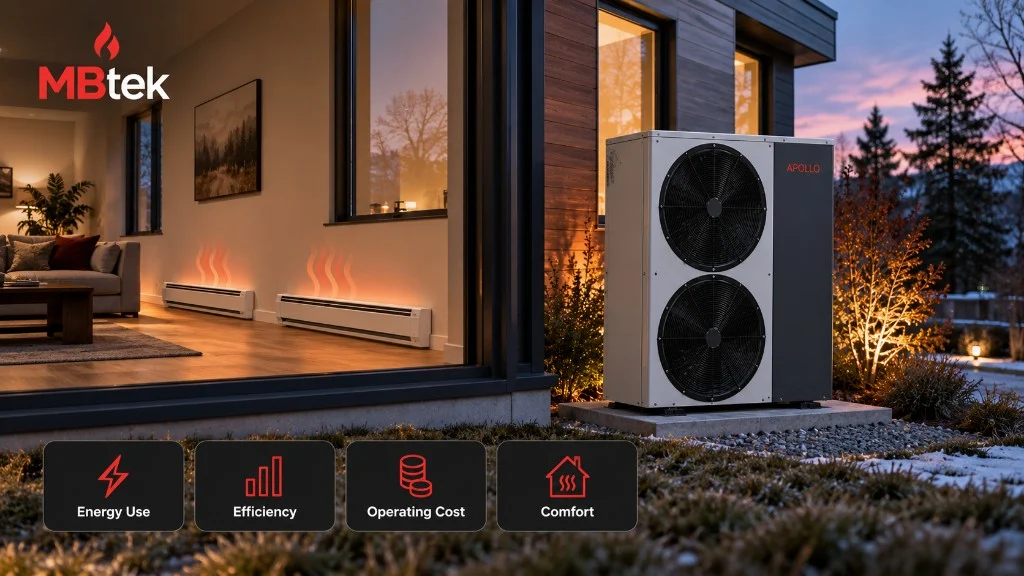
A heat pump's monthly electricity bill usually lands somewhere from under $100 to several hundred dollars. It depends on how much heat your home loses, your utility rate, the weather, and whether the system only runs when you need it.
An APOLLO air-to-water heat pump with MBTEK Wi-Fi thermostats is built to give you that comfort with far less electricity than electric baseboards. Here is the short version of the math, and how to keep the bill down.
What it costs to run: baseboards vs APOLLO
COP is how many units of heat you get for each unit of electricity. A COP of 4.6 means about 4.6 times the heat of an electric baseboard from the same power. The table uses a home that needs 3,000 kWh of heat in one month and pays $0.18/kWh, close to the U.S. average of about 18.2¢ for January–August 2026. Your rate will differ. A bigger or leakier house simply scales these numbers up.
| COP | Electricity used | Monthly cost @ $0.18/kWh | |
|---|---|---|---|
| Electric baseboard | ~1 | 3,000 kWh | $540 |
| Lower-efficiency heat pump | 2 | 1,500 kWh | $270 |
| Typical heat pump | 3 | 1,000 kWh | $180 |
| APOLLO on a mild day (about 41°F) | 4.6 | ~652 kWh | ~$117 |
| APOLLO on a cold day (about 10°F) | 2.11 | ~1,422 kWh | ~$256 |
- Electric baseboard
- COP
- ~1
- Electricity used
- 3,000 kWh
- Monthly cost @ $0.18/kWh
- $540
- Lower-efficiency heat pump
- COP
- 2
- Electricity used
- 1,500 kWh
- Monthly cost @ $0.18/kWh
- $270
- Typical heat pump
- COP
- 3
- Electricity used
- 1,000 kWh
- Monthly cost @ $0.18/kWh
- $180
- APOLLO on a mild day (about 41°F)
- COP
- 4.6
- Electricity used
- ~652 kWh
- Monthly cost @ $0.18/kWh
- ~$117
- APOLLO on a cold day (about 10°F)
- COP
- 2.11
- Electricity used
- ~1,422 kWh
- Monthly cost @ $0.18/kWh
- ~$256
Space heating only. A real bill also depends on climate, water temperature, and any backup heat.
The two-line calculation
Monthly cost = (heat your home needs ÷ COP) × your electricity rate.
Example: 3,000 kWh of heat, a COP of 3, and $0.18/kWh. Electricity use is 3,000 ÷ 3 = 1,000 kWh. Cost is 1,000 × $0.18 = $180 that month. Prior winter bills, old fuel use, or a heat-loss calculation beat guessing from square footage.
Does it run 24 hours a day?
Often the house needs heat for many hours in a cold U.S. winter. That is not the same as a full-power electric bill.
- The building loses heat for hours. Overnight and on cold days, the call for heat can be nearly continuous.
- APOLLO turns itself down. The inverter matches the load instead of sitting at full rated power.
- Thermostats decide when to call. Schedules and setbacks stop heating rooms that are empty or already warm.
Why winter bills go up
Colder air means the house loses more heat, and an air-source heat pump works harder. That is normal. It is still a poor reason to stay on electric baseboards.
Take the APOLLO 6 Ton. On a mild day around 41°F it still delivers 71,500 BTU/h at a COP of 4.6. On a cold day around 10°F that falls to 39,200 BTU/h and a COP of 2.11 — still more than double the heat you would get from electric resistance. Those figures are for those outdoor and water temperatures, not a whole-month average.
Radiant floors, fan coils, or hot baseboards
Hotter water takes more electricity to make. Use the lowest water temperature that still heats the rooms, and pick the series that can do it.
| Typical water temperature | Heat pump that fits | |
|---|---|---|
| Radiant floor | 85–110°F | APOLLO |
| Fan coils | 100–120°F | APOLLO |
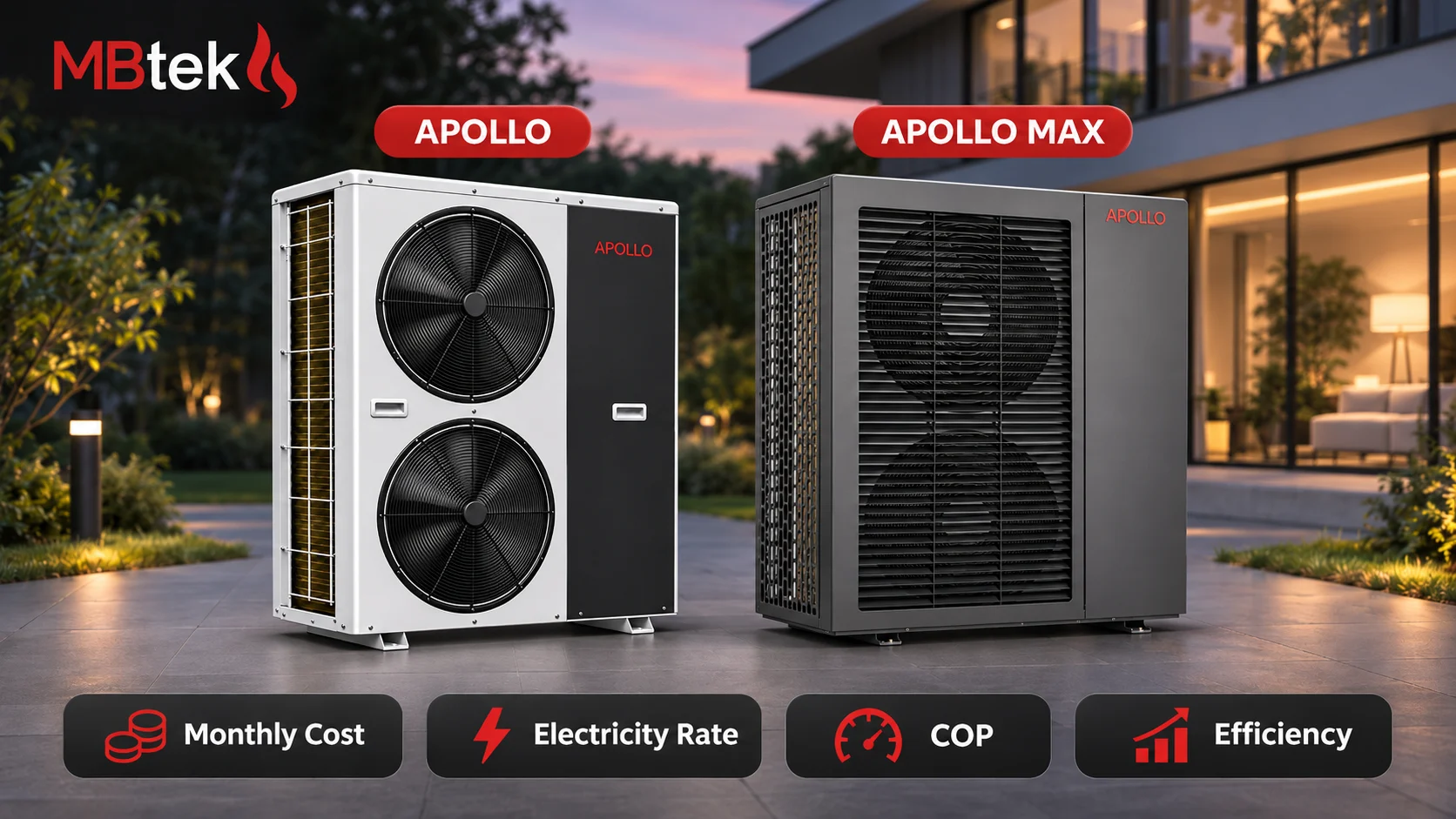
| Modern radiators | 110–140°F | APOLLO or APOLLO MAX |
| Old baseboards | 140–180°F | APOLLO MAX, up to 175°F (80°C) |
- Radiant floor
- Typical water temperature
- 85–110°F
- Heat pump that fits
- APOLLO
- Fan coils
- Typical water temperature
- 100–120°F
- Heat pump that fits
- APOLLO
- Modern radiators
- Typical water temperature
- 110–140°F
- Heat pump that fits
- APOLLO or APOLLO MAX
- Old baseboards
- Typical water temperature
- 140–180°F
- Heat pump that fits
- APOLLO MAX, up to 175°F (80°C)
APOLLO air-to-water heat pumps
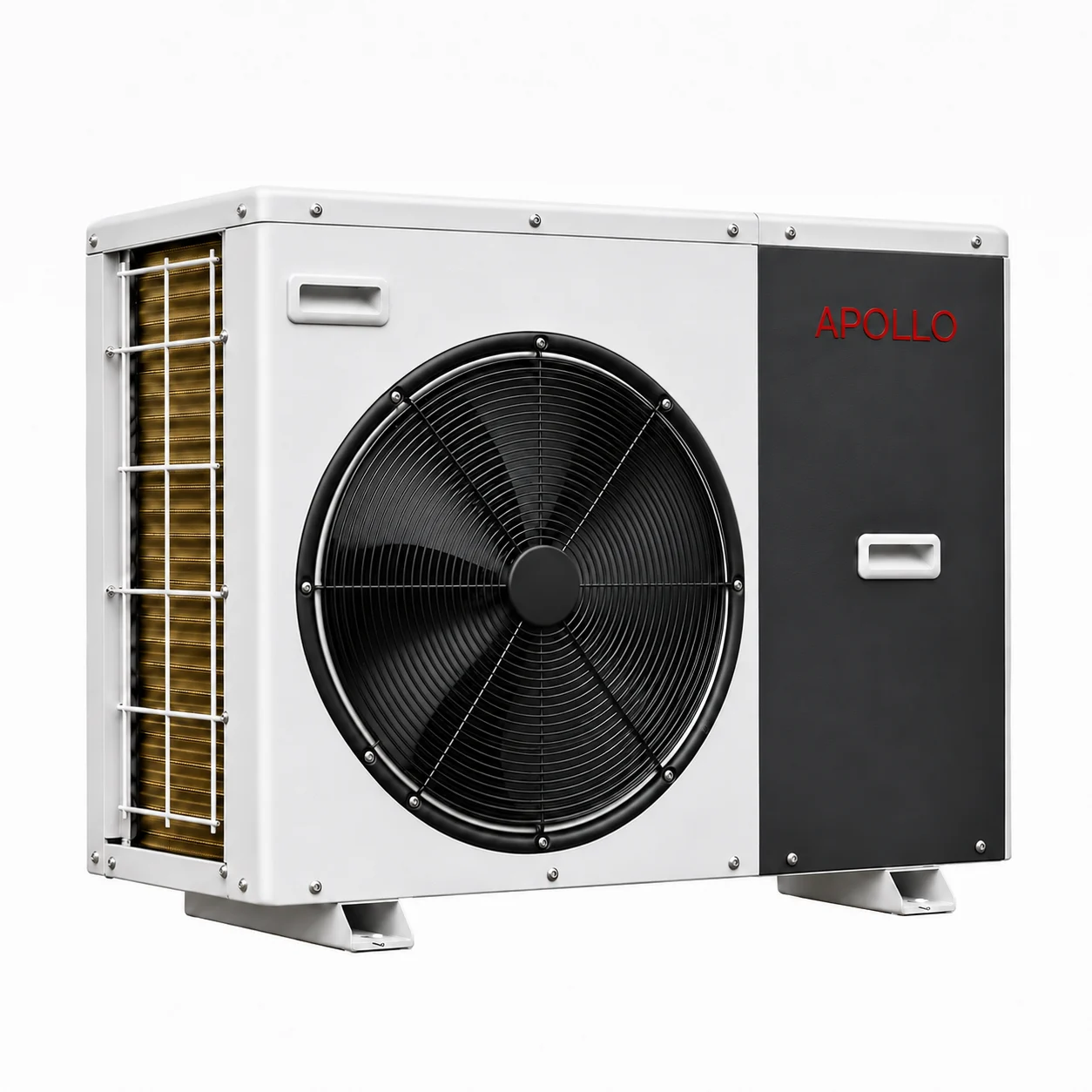 APOLLO Air-to-Water Heat Pump - 3.5 Ton - 42K BTUView product
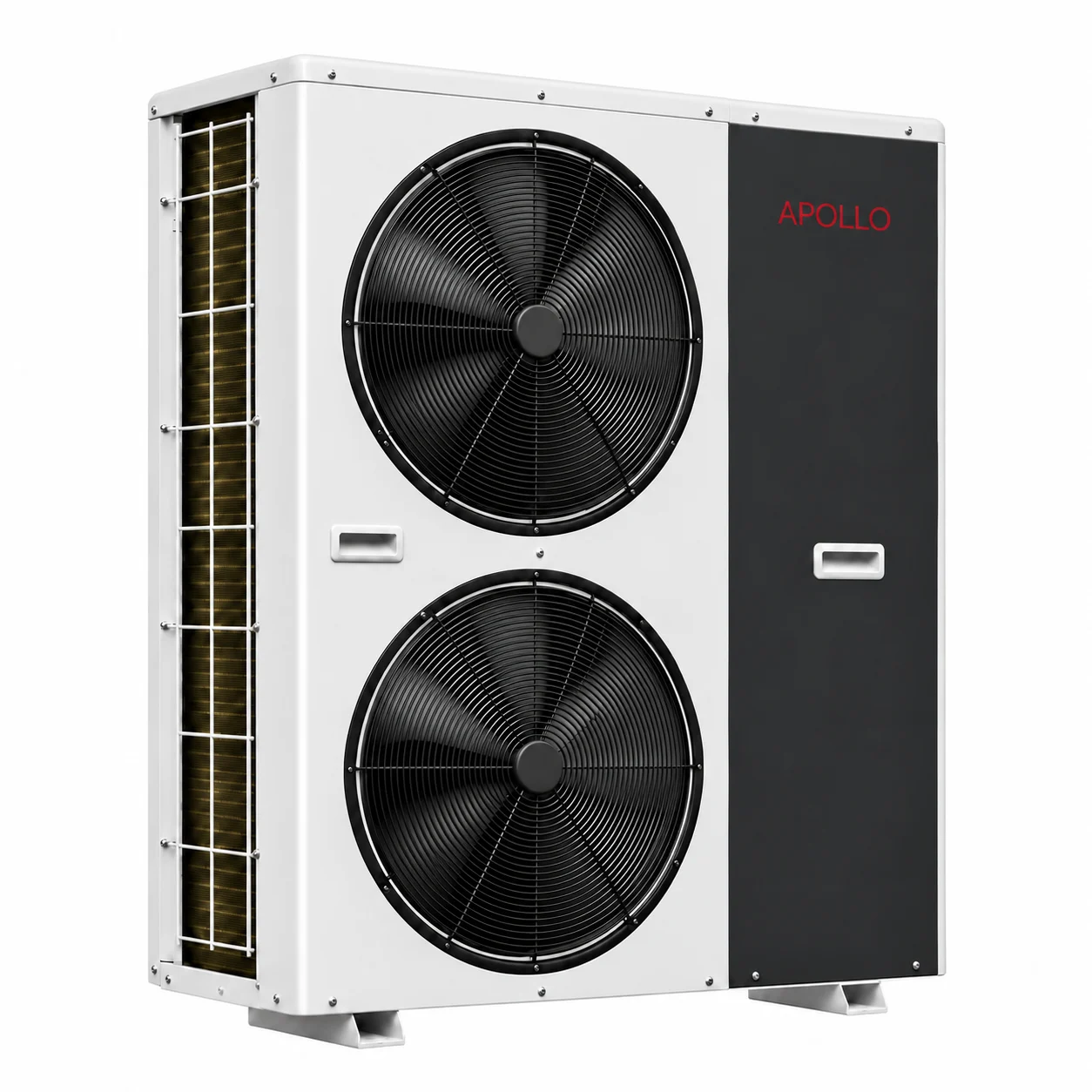 APOLLO Air-to-Water Heat Pump - 6 Ton - 72K BTUView product
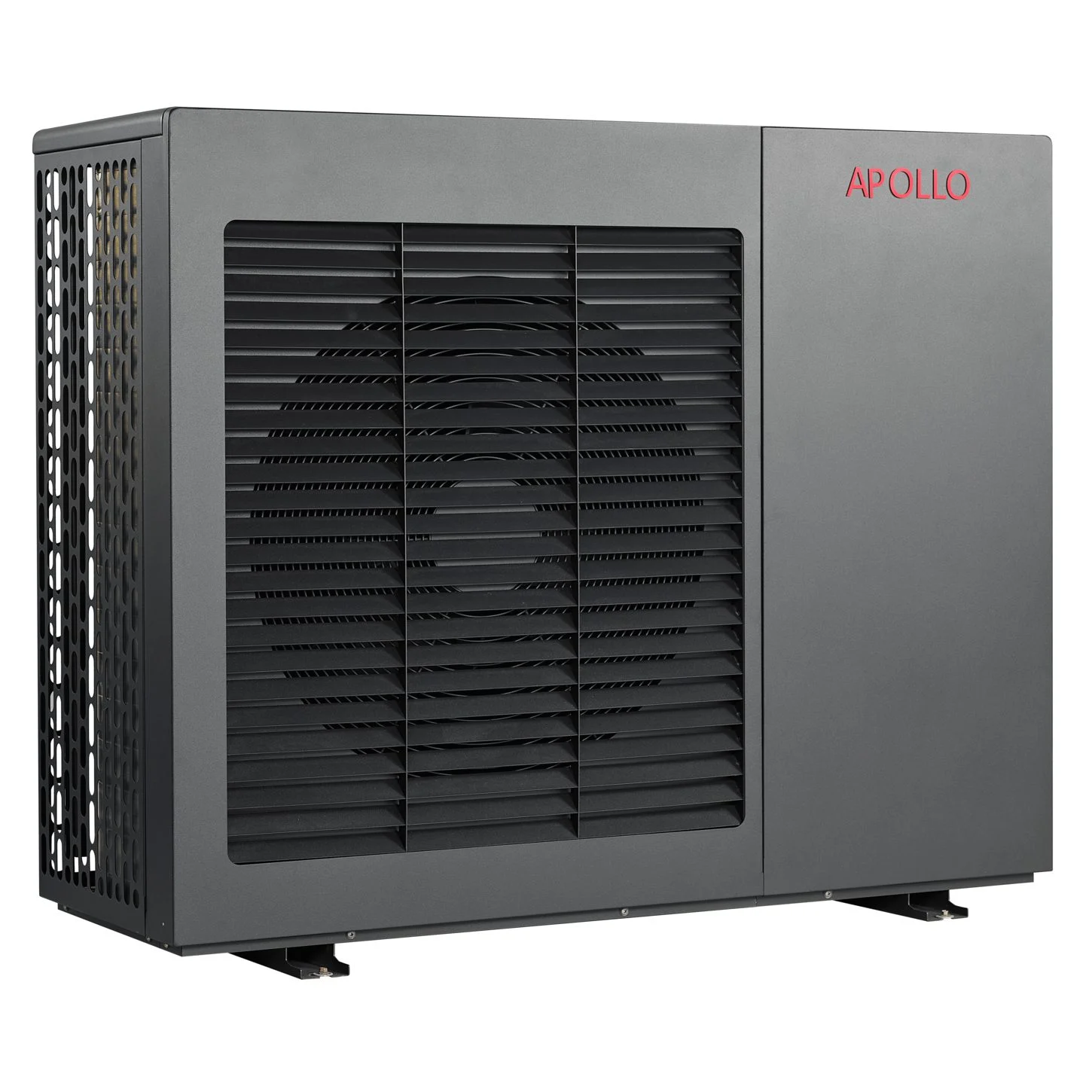 APOLLO MAX Heat - Air-to-Water Heat Pump - 3 Ton - 36K BTUView product
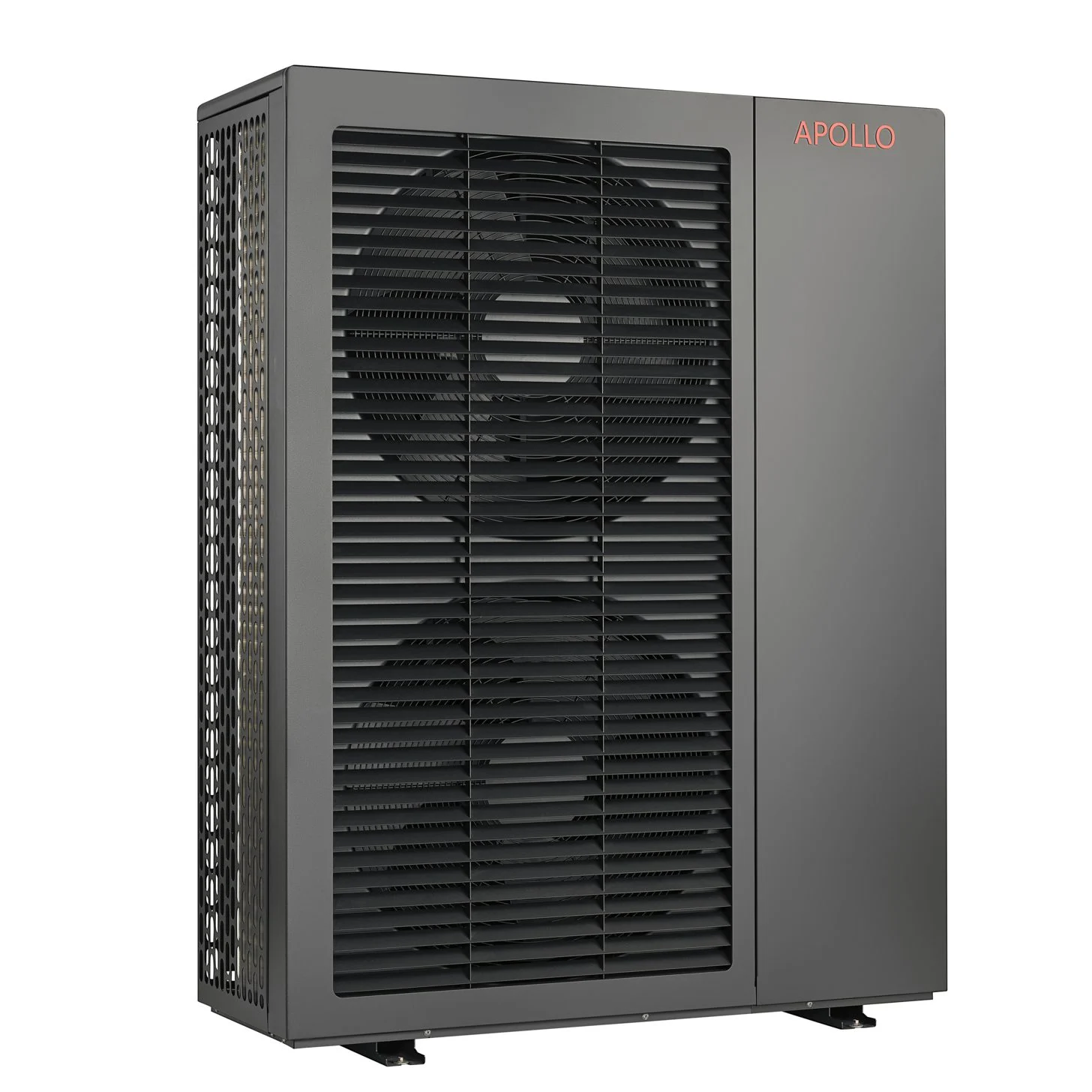 APOLLO MAX Heat - Air-to-Water Heat Pump - 5 Ton - 60K BTUView product
Thermostats that heat only the rooms you are using
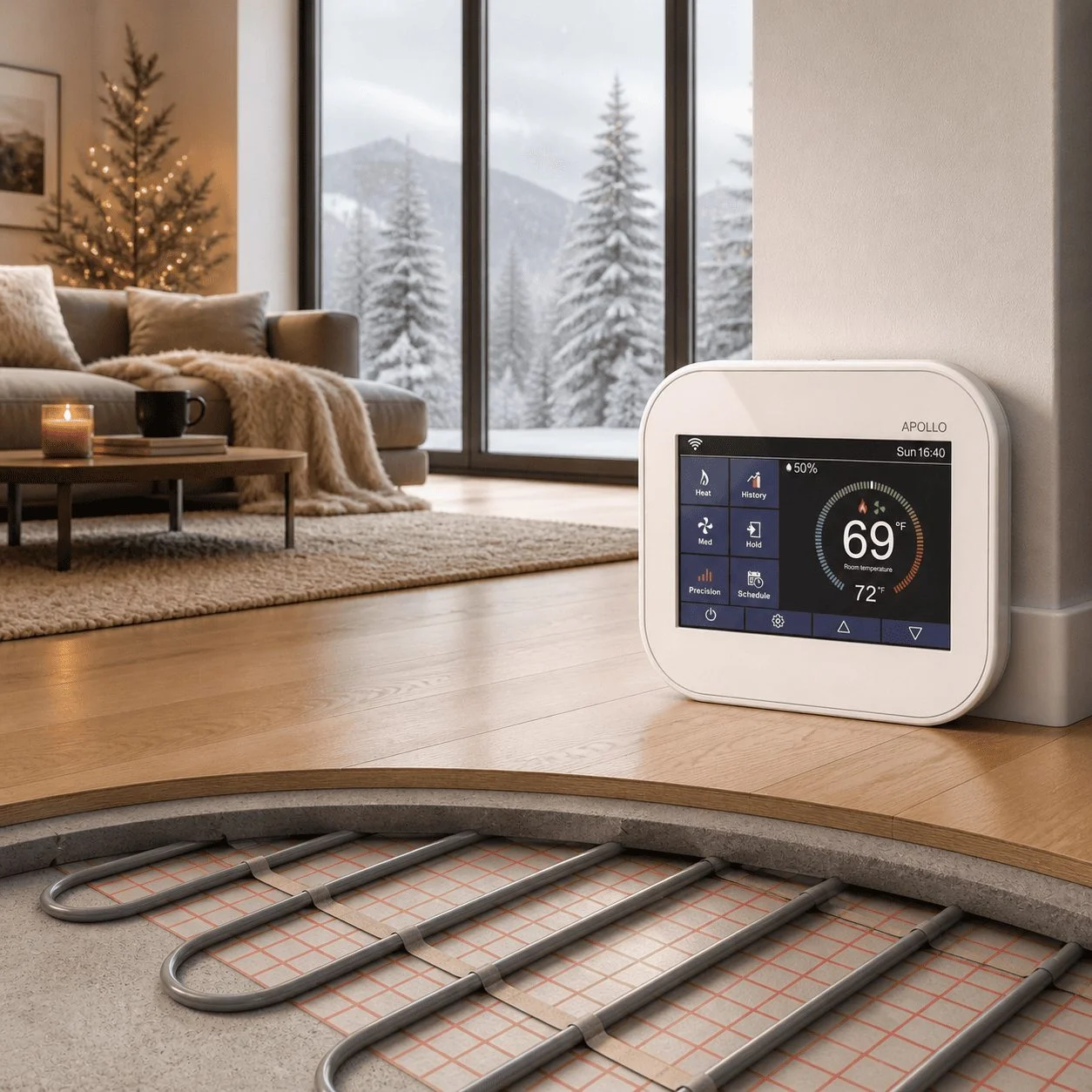
A strong COP does not help if every zone calls for heat all day. MBTEK Wi-Fi thermostats follow a schedule, set back when you leave, and call for heat only when a room actually needs it. Pair a fan-coil thermostat with fan coils, or a radiant-floor thermostat with floor heat.
Thermostats that match the heat
See all thermostats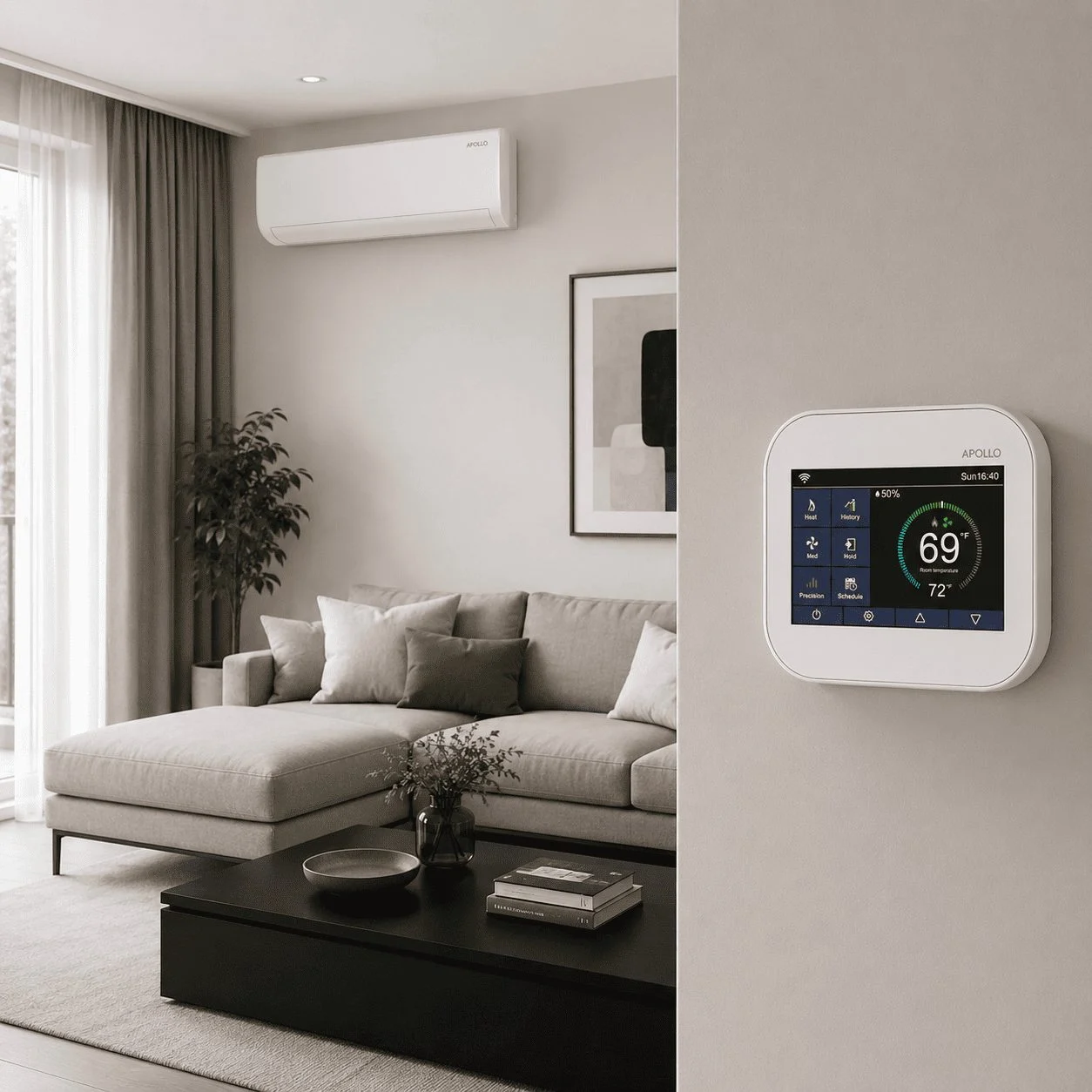
The short version
There is no single U.S. monthly cost. Once you know the heat your home needs, your rate, and a realistic COP, the comparison is clear: baseboards turn every kilowatt-hour into heat, and APOLLO multiplies it.
On a mild day the gap is large. On a cold day APOLLO still beats electric heat, especially when a thermostat stops wasted runtime. Size the unit to a real heat-loss calculation, keep the water as cool as the rooms allow, and explore APOLLO air-to-water heat pumps before you buy.
Common questions
Frequently asked questions
Is it expensive to run a heat pump 24 hours a day?+
Not if it can turn itself down. Winter may call for heat many hours, but an APOLLO inverter modulates instead of staying at full power, and a Wi-Fi thermostat only calls for heat when a room needs it.
How much does a 3-ton or 5-ton heat pump cost per month?+
Tonnage is capacity, not a bill. A larger APOLLO in a tight, well-controlled home can use less electricity than a smaller unit in a leaky house. Use heat demand, COP, and your rate.
Do MBTEK thermostats lower the electric bill?+
They do when they stop heating empty rooms and avoid long recoveries that pull in electric backup. Schedules, setbacks, and the app are there so the heat pump runs when you need it.
Does this monthly cost include hot water and cooling?+
No. The examples are space heating only. Domestic hot water, summer cooling, and pool heating need their own estimates.